Physical Address
304 North Cardinal St.
Dorchester Center, MA 02124
Physical Address
304 North Cardinal St.
Dorchester Center, MA 02124

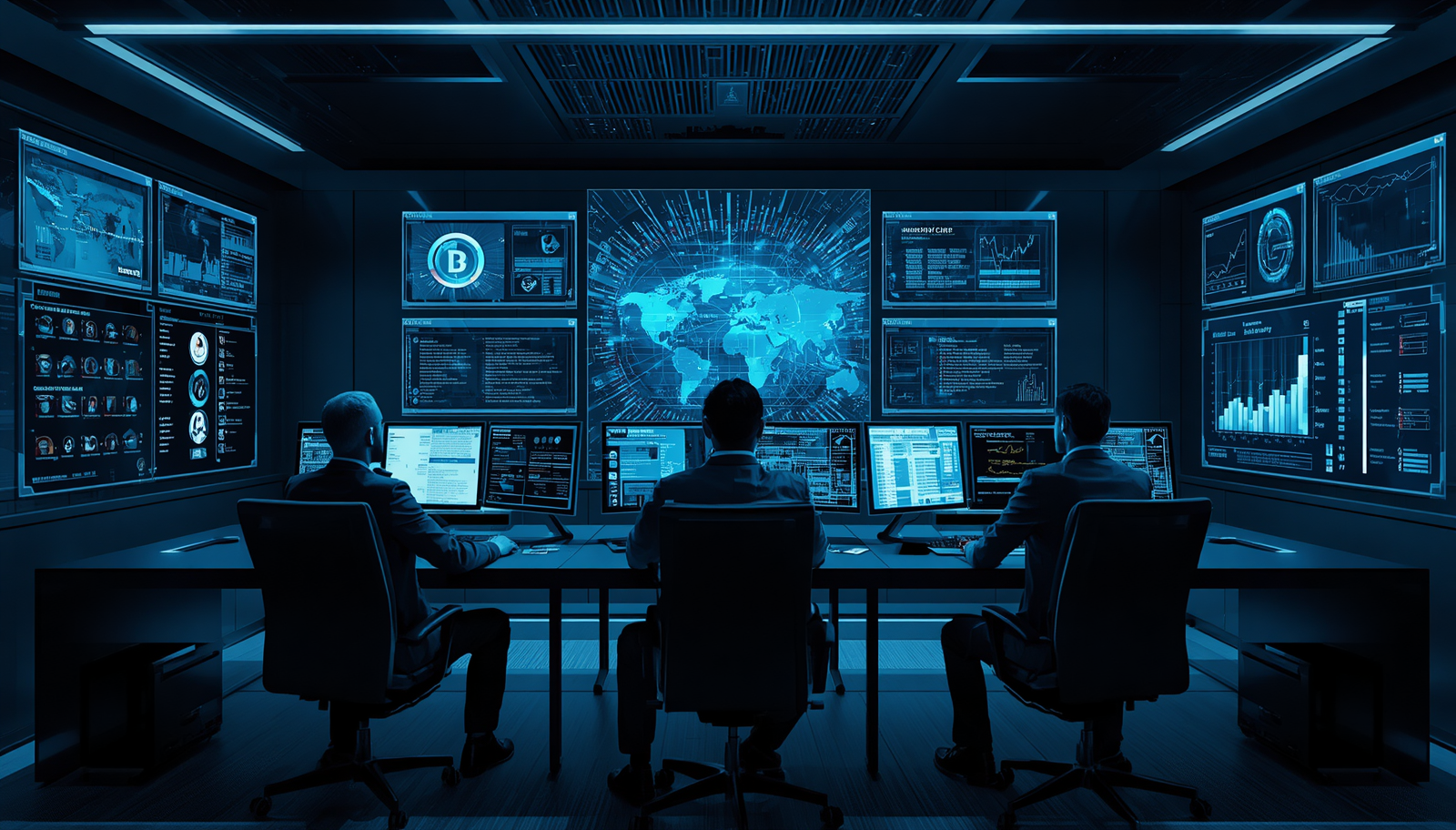
Security Operations Centers are undergoing a major transformation as organizations adopt artificial intelligence to address increasingly sophisticated cyber threats. Businesses today face a challenging environment where ransomware attacks, phishing campaigns, insider threats, and cloud security risks continue to grow in frequency and complexity. At the same time, cybersecurity teams are expected to manage expanding digital infrastructures while responding to incidents faster than ever before.
To meet these demands, organizations are building AI-augmented security teams that combine advanced technologies with human expertise. Rather than replacing security professionals, artificial intelligence enhances their capabilities by providing real-time insights, automating repetitive tasks, and identifying threats more efficiently. This collaborative approach is helping organizations create stronger and more adaptive security operations capable of responding to modern cybersecurity challenges.
Modern enterprises generate enormous amounts of security telemetry from networks, endpoints, cloud platforms, and applications. Analyzing this information manually can overwhelm even the most experienced security teams. AI technologies help organizations process data more effectively and identify potential threats before they cause significant damage.
Machine learning models can analyze patterns of behavior, detect anomalies, and correlate events across multiple systems in real time. These capabilities allow organizations to improve threat visibility and reduce the time required to investigate incidents. AI also supports predictive analytics by identifying emerging risks and helping organizations take proactive measures.
Automation further strengthens security operations by reducing repetitive workloads and enabling faster incident response. As a result, security teams can dedicate more time to strategic activities such as threat hunting, security planning, and resilience improvement.
While AI provides powerful analytical capabilities, human expertise remains essential for effective cybersecurity. Security professionals understand organizational priorities, business risks, and operational requirements that technology alone cannot fully interpret. Human analysts provide context and judgment when evaluating threats and determining response strategies.
AI-augmented security teams create a collaborative environment where technology and people work together toward common goals. Automated systems handle data-intensive tasks, while analysts focus on complex investigations and decision-making. This partnership improves efficiency while strengthening the overall effectiveness of security operations.
Organizations that invest in both advanced technology and workforce development are creating more resilient security teams capable of adapting to evolving threats and supporting long-term business objectives.
The future of SecOps is increasingly dependent on AI-augmented security teams that combine technological innovation with human expertise. By leveraging artificial intelligence to automate routine tasks and enhance threat detection, organizations can improve security outcomes while empowering analysts to focus on higher-value activities.
As cybersecurity challenges continue to evolve, businesses that embrace AI-powered and human-driven security operations will be better positioned to protect critical assets, strengthen resilience, and maintain trust in a rapidly changing digital world.