Physical Address
304 North Cardinal St.
Dorchester Center, MA 02124
Physical Address
304 North Cardinal St.
Dorchester Center, MA 02124

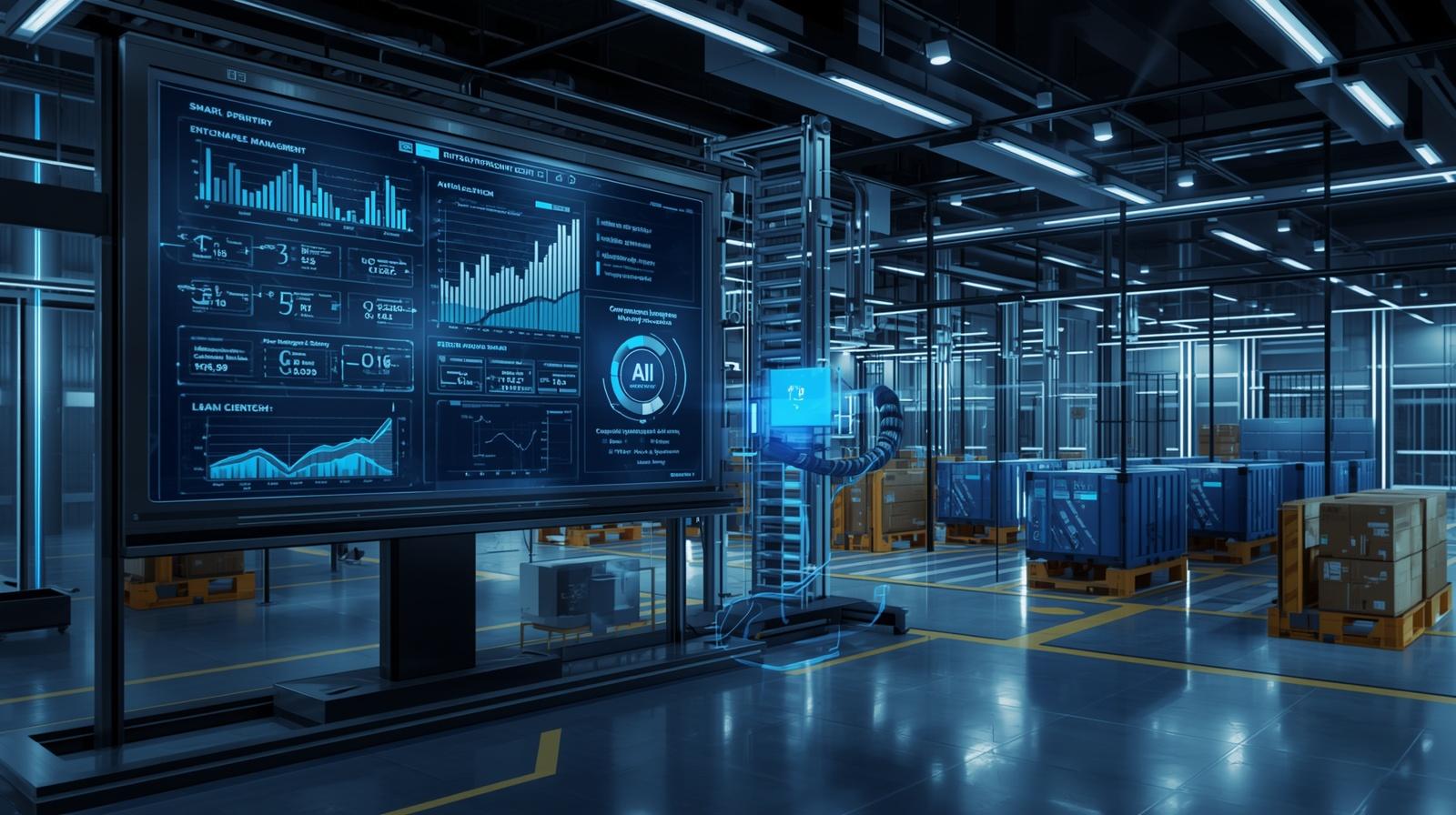
The future of business success depends heavily on the ability to build resilient and adaptable supply chains. As organizations expand globally, they face increasing challenges from market volatility, geopolitical uncertainty, changing consumer expectations, and technological disruption. Traditional supply chain models that focus solely on efficiency are no longer sufficient. Modern businesses require supply chains that can respond quickly to unexpected events while maintaining operational performance and customer satisfaction.
Supply chain resilience has become a strategic priority for organizations seeking long-term stability and growth. Companies that invest in resilience are better positioned to manage risks, maintain continuity, and capitalize on emerging opportunities. By combining technology, data-driven decision-making, and proactive planning, businesses can strengthen their operations and create a competitive advantage in an increasingly complex marketplace.
The supply chain environment is changing rapidly due to globalization, digital transformation, and evolving customer demands. Organizations must navigate disruptions while ensuring products and services continue reaching customers efficiently. Businesses that fail to adapt may experience operational delays, increased costs, and reduced customer trust.
To address these challenges, organizations are adopting more agile and flexible supply chain strategies. Supplier diversification, enhanced visibility, and risk monitoring programs help businesses identify vulnerabilities and respond effectively to disruptions. Companies are also investing in scenario planning and contingency strategies that enable faster recovery during unexpected events.
An adaptable supply chain allows organizations to maintain operational excellence while responding to changing business conditions. This flexibility not only improves resilience but also supports innovation and long-term growth objectives.
Technology is transforming how organizations manage supply chains and improve operational performance. Advanced solutions such as artificial intelligence, machine learning, predictive analytics, and cloud-based platforms provide greater visibility into supply chain activities and enable more informed decision-making.
Real-time data allows organizations to monitor inventory, transportation, supplier performance, and customer demand more effectively. AI-powered forecasting tools help businesses anticipate disruptions and optimize resource allocation before problems occur. Automation reduces manual workloads and improves efficiency across critical supply chain processes.
Organizations that embrace digital transformation can build stronger, more resilient supply chains capable of adapting to future challenges. Technology-driven resilience enables businesses to improve efficiency, reduce costs, and create sustainable competitive advantages.
The future of operational excellence depends on the ability to build resilient and adaptive supply chains. Organizations that proactively invest in visibility, technology, and risk management will be better equipped to navigate uncertainty while maintaining strong performance.
As supply chain challenges continue evolving, resilience will remain a critical factor in achieving sustainable growth and long-term business success. Companies that modernize their supply chain strategies today will be better prepared for the opportunities and challenges of tomorrow.